Duct and Dryer Vent Cleaning: What Actually Accumulates
The signs that matter, and what a thorough cleaning job involves versus a quick pass.
August 26, 2026 · 3 min read
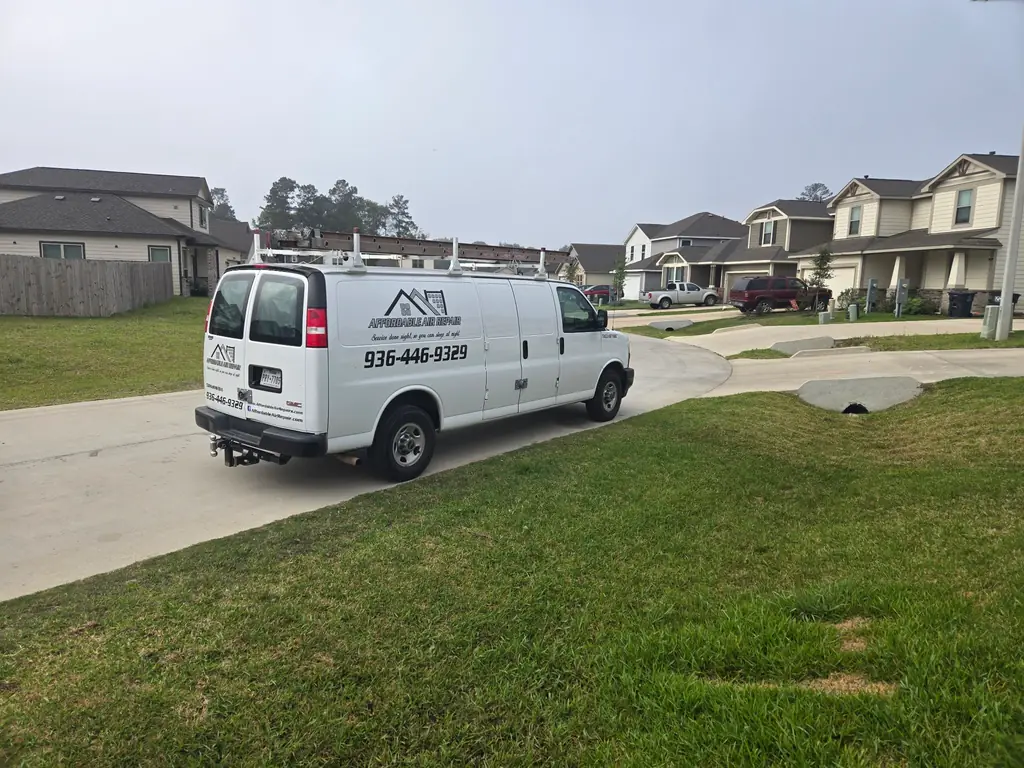
Ductwork and dryer vents both do the same basic job of moving air through a hidden path, and both collect the same kind of buildup over years of ordinary use: dust, pet hair, insulation fibers, and in a dryer vent's case, lint that never made it out through the exterior cap. None of it announces itself the way a broken AC does. It shows up gradually, as reduced airflow, longer dryer cycles, or dustier rooms than a house should have.
What actually builds up in there
Supply and return ductwork accumulates dust and debris the same way any enclosed space does over time, and in a house with pets or recent renovation work it can build up faster than most people expect. A dryer vent collects lint the dryer's own internal trap does not catch, and unlike ductwork, that buildup can restrict airflow enough to become a fire risk if it goes unaddressed for years. Both are worth checking on their own schedule rather than assuming one visit handles both systems.
Signs it is time to have it looked at
A dryer that takes noticeably longer to finish a load than it used to, or that leaves clothes hotter than usual at the end of a cycle, is often telling you the vent path is restricted somewhere between the machine and the exterior cap. On the ductwork side, dust settling faster than normal after a cleaning, noticeably weaker airflow at certain vents, or a musty smell when the system first kicks on are all reasons to have someone actually look rather than wait it out.
What a thorough job involves
A quick pass with a shop vac at the accessible ends of a duct run or a dryer vent does not reach what is actually causing the problem, which usually sits further down the line. A thorough job means working the full length of the run, checking from the outside cap as well as the inside connection, and being willing to make several passes and confirm the airflow afterward rather than call it done after one attempt. One of our recent customers had exactly that experience: several passes on the outside of the home, a test run of the dryer afterward, and when it still threw an error the technician came back in and kept troubleshooting until the actual restriction was found rather than stopping at the first pass.
Why a dryer vent is its own separate problem
It is tempting to treat a dryer vent as a smaller version of a duct cleaning, but the material moving through it and the risk it carries are different. Lint is combustible in a way that ordinary house dust is not, and a restricted dryer vent means the machine is working harder and running hotter than it is designed to for every single load. That is worth treating as its own job with its own checklist, not folded in as an afterthought to a duct cleaning visit.
How often is often enough
There is no single number that fits every house. A household with pets, a recent renovation, or a dryer that runs several loads a day will generally need attention more often than a household without those factors. Rather than push a fixed schedule on everyone, we look at what we find on a visit and tell you honestly whether it is worth planning another one soon or whether the system is clean enough to leave alone for a while. That is the same approach we take with AC maintenance, and it tends to build the kind of trust that has customers signing up for the maintenance program after watching one visit rather than being sold on it beforehand.
What to expect from the visit
A technician showing up for duct or dryer vent work should be able to tell you what they found and what they did about it in plain terms, the same way you would want a diagnosis explained on an AC repair. When a customer signs up for our maintenance program after seeing that kind of work firsthand, it is usually because they watched the technician actually solve the problem in front of them rather than just show up and leave.
Affordable Air Repair, (936) 446-9329
Call (936) 446-9329